Cable Lugs

Gaopeng

Cable Lugs

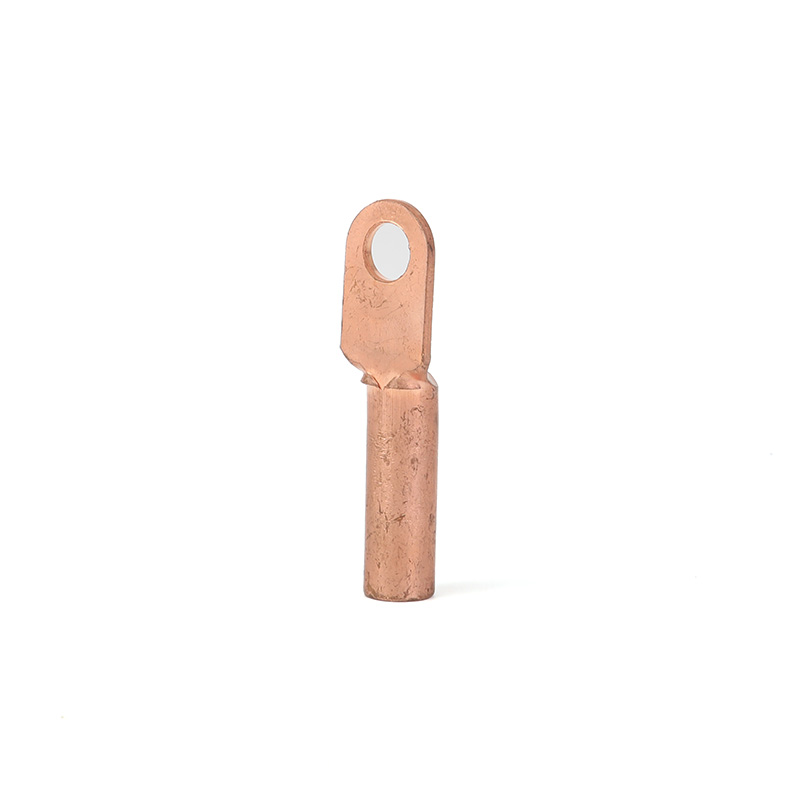
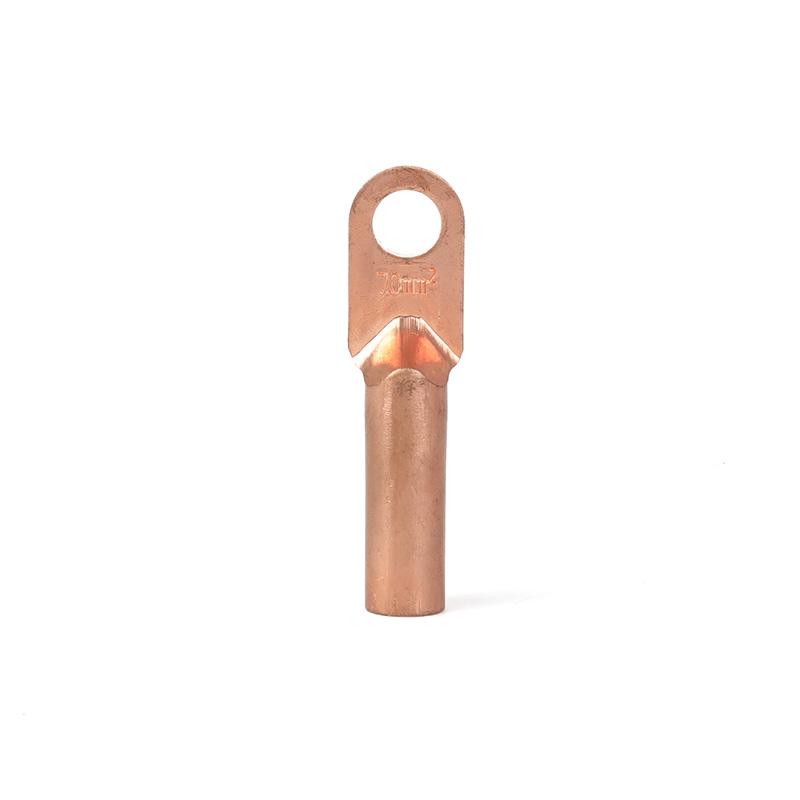
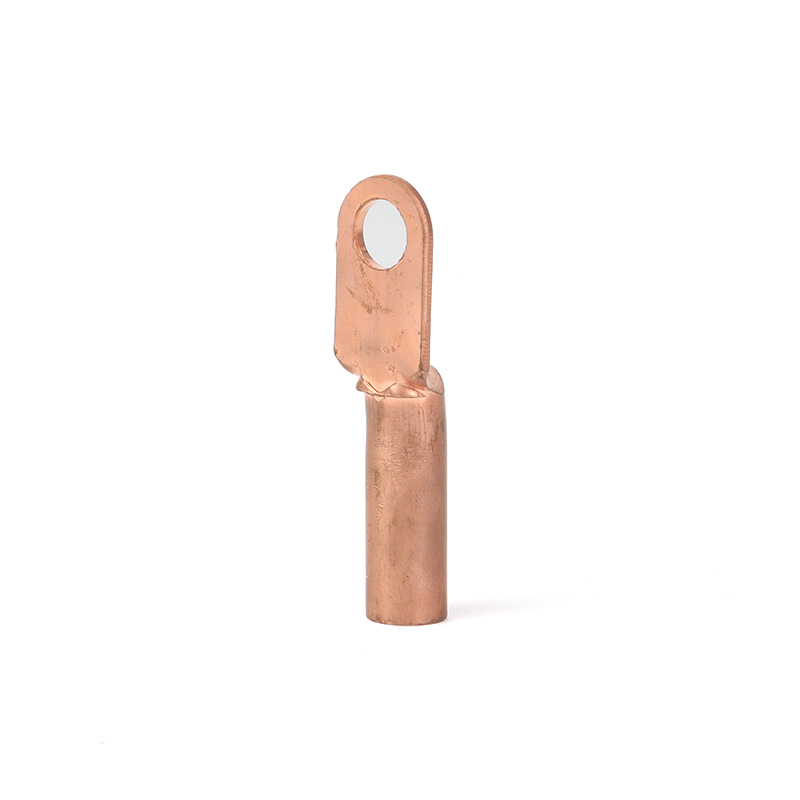
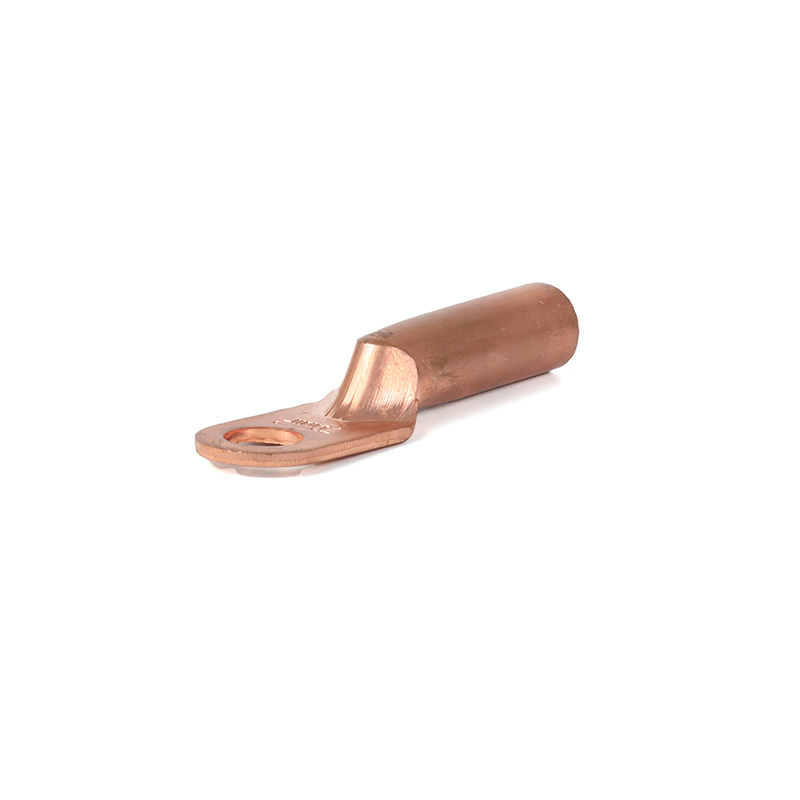
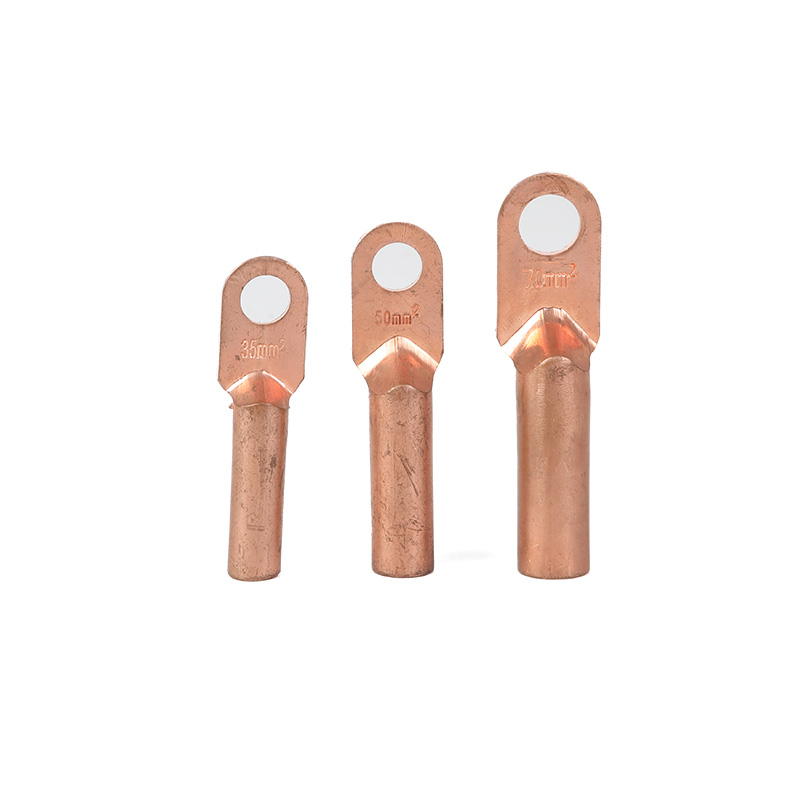
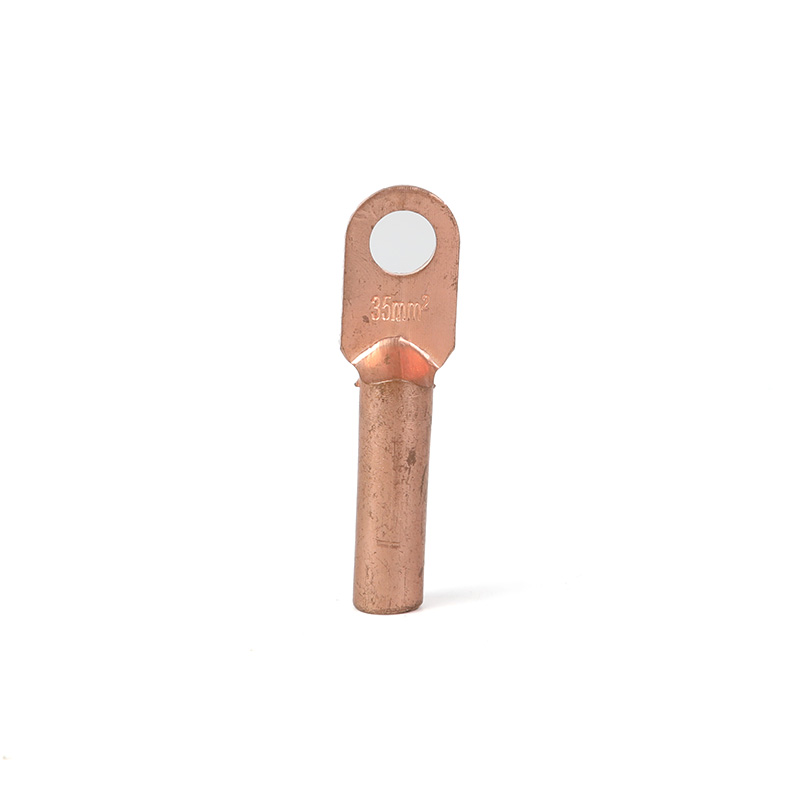
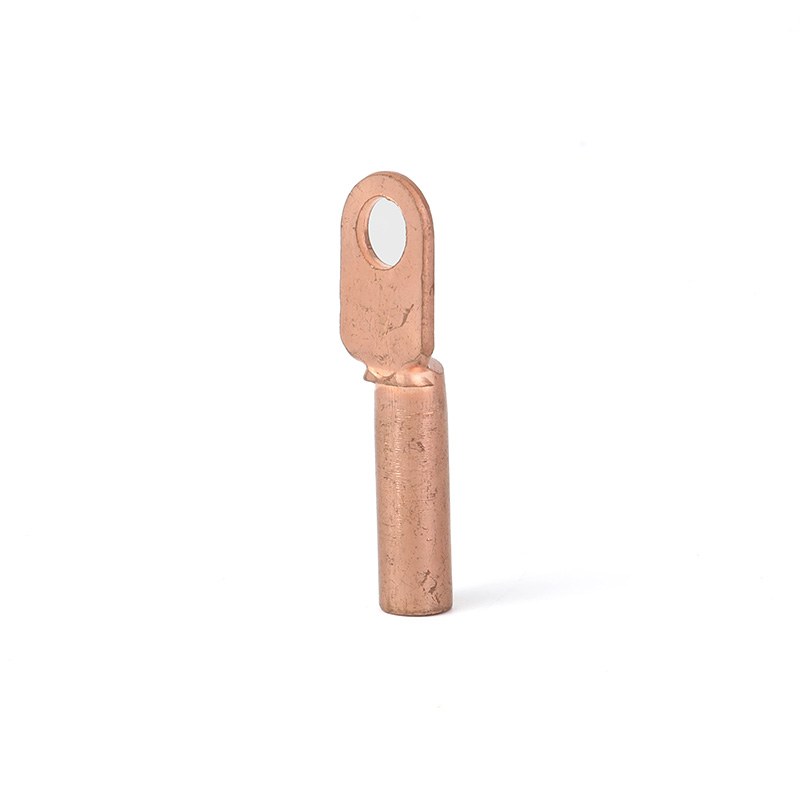
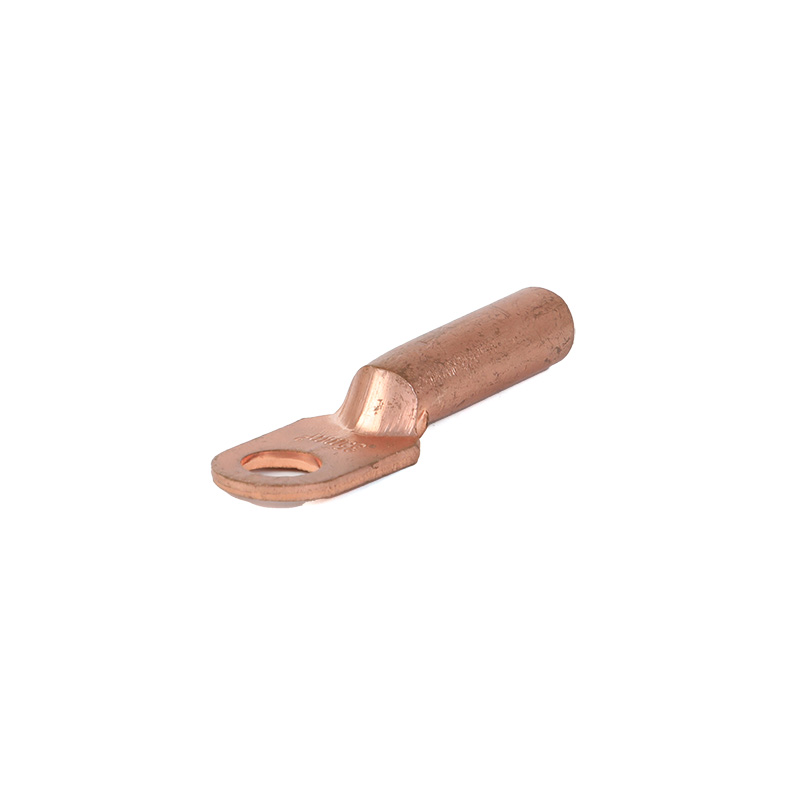
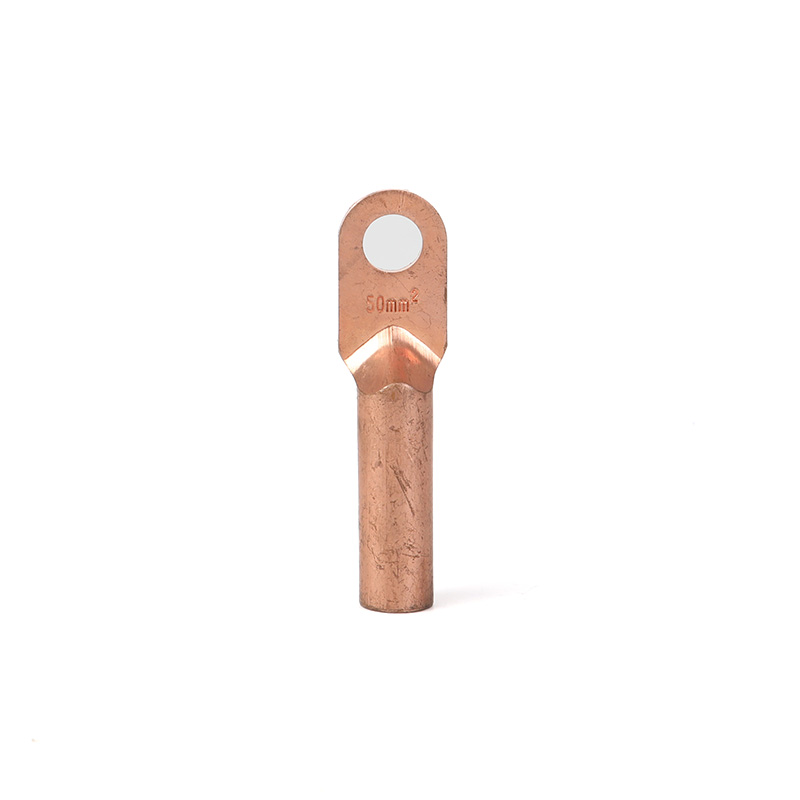
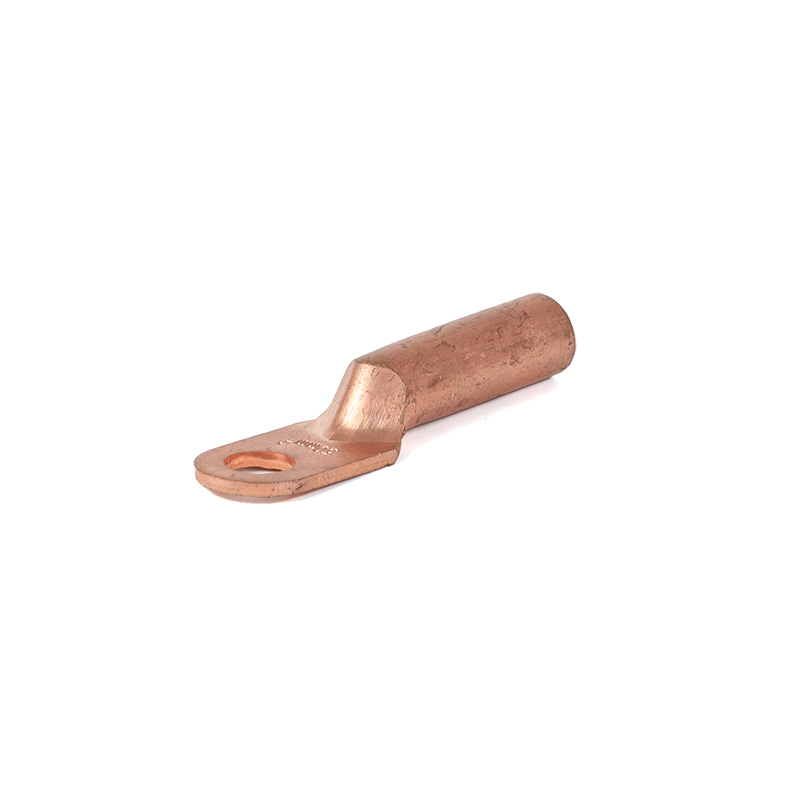
DT Copper Tube Terminals
DT Copper Tube Terminals DT Copper Tube Terminals DT Copper Tube Terminals DT Copper Tube Terminals DT Copper Tube Terminals DT Copper Tube Terminals

Product Details

DT Copper Tube Terminals

Discover high-quality DT copper tube t...

Description

Precision Connection, Maximum Protection – Engineered for Harsh Electrical Environments

Pre-Insulated Nylon Sleeve
High-density Nylon sleeves pre-crimped onto terminals, withstand-20°C to +80°C, resisting oil, moisture, and vibration.No heat shrink needed– 50% faster installation.

Military-Grade Conductivity
Tin-plated brass core, conductivity ≥28%. Tested at20A continuous current, crimping resistance ≤0.5mΩ.

Anti-Mismatch Color Coding
Red/blue/yellow sleeves follow industry polarity standards,reducing misconnection risks by 90%.

3-Second Crimping
Streamlined bullet shape works with standard crimpers (AWG 22-10).Solder-free, reliable connection in 3 seconds.

Precision Connection, Maximum Protection – Engineered for Harsh Electrical Environments

Pre-Insulated Nylon Sleeve
High-density Nylon sleeves pre-crimped onto terminals, withstand-20°C to +80°C, resisting oil, moisture, and vibration.No heat shrink needed– 50% faster installation.

Military-Grade Conductivity
Tin-plated brass core, conductivity ≥28%. Tested at20A continuous current, crimping resistance ≤0.5mΩ.

Anti-Mismatch Color Coding
Red/blue/yellow sleeves follow industry polarity standards,reducing misconnection risks by 90%.

3-Second Crimping
Streamlined bullet shape works with standard crimpers (AWG 22-10).Solder-free, reliable connection in 3 seconds.

PRODUCT DESCRIPTION

DT copper terminal (also known as DT copper connector, DT wire terminal, or OT/UT type connector) is a tubular crimp-type terminal used for connecting and splicing the ends of electrical wires and cables. The tube has an opening seam that closes when crimped. It is highly versatile and is one of the most basic and essential components in electrical and power connections. The name 'DT' usually comes from its common shape code, where 'D' represents a (open) tubular structure and 'T' represents a wire connection. Standard models, such as DT-10, indicate the cross-sectional area of the applicable wire in square millimeters. Its main purpose and function are to gather and compress stranded wire conductors into a solid, low-resistance terminal. It also allows soft wires to be easily and securely fixed to bolt-type terminals on distribution cabinets, circuit breakers, contactors, transformers, and other equipment. Additionally, it prevents wires from fraying at the ends, reducing heating, oxidation, and the risk of arcing caused by poor contact. It provides a standardized connection interface, facilitating equipment maintenance and circuit modifications. Typical use cases include power distribution systems, industrial control and automation, machinery, building electrical systems, new energy sectors, rail transit, and marine electrical systems. It has high electrical conductivity, good ductility, and is easy to crimp into shape.